Five Business Books for People Who Care How Work Actually Feels
Five business and work books for readers who care about communication, taste, status, small-business economics, and the messy human side of building things.
This is a good little lane of business reading because it does not treat business as a spreadsheet sport. The through-line is more human: how people talk, what they notice, what status does to judgment, how small firms make money, and why taste can be a serious operating advantage.
That makes the list useful for readers who are bored by pure productivity books but still want books that change how they work. These five are practical, but not in the laminated-framework sense. They give you better eyes.
Selection note: these came from a real ReadingRoll profile with a strong mix of communication, marketing, leadership, customer experience, and company-building books. The picks below favour usefulness over obviousness.
Featured pickCommunicationRead
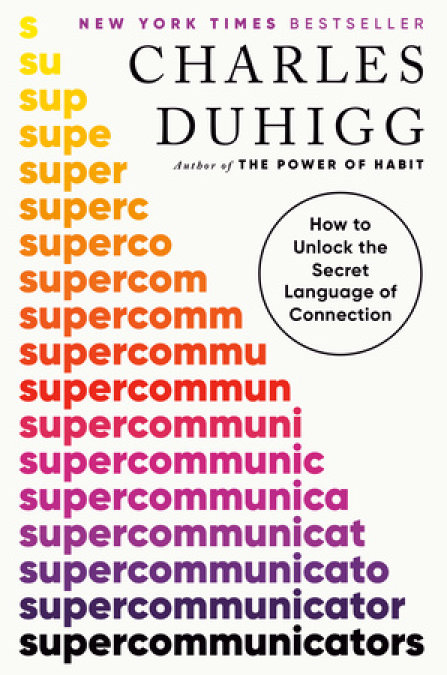
Start with Supercommunicators.
Charles Duhigg is good on the part of communication that ambitious people often skip: diagnosing what kind of conversation they are actually in. Is this about facts, feelings, identity, power, or belonging?
This is the one to pick up if your work depends on clients, teams, sales, hiring, coaching, or difficult internal conversations. It is especially useful for people who are already articulate but can feel a meeting drift and do not quite know why.
The other four

Ogilvy on Advertising
David Ogilvy writes with the bracing confidence of someone who believed ads should sell, not preen. The book is old, but that is part of the charm: the principles have survived enough fashion cycles to be worth listening to.
Who might want it: marketers, founders, copywriters, and anyone who wants their public words to do more work. Read it when your brand has started sounding expensive but vague.

The Status Game
Will Storr gives a sharp account of how status quietly steers groups, ambition, resentment, belonging, and performance. It is not a business book in the narrow sense, which is exactly why it belongs here.
Who might want it: managers, community builders, agency owners, and people who work inside high-achievement cultures. It helps you spot the invisible scoreboard before it starts running the room.

Main Street Millionaire
Codie Sanchez argues for the overlooked appeal of ordinary businesses: cash flow, boring demand, local advantage, and buying what already works instead of trying to invent a category from scratch.
Who might want it: operators, investors, self-employed people, and anyone suspicious that the startup lottery is not the only route to wealth. It is for readers who like practical leverage more than pitch-deck theatre.

Emotion By Design
Greg Hoffman writes from a Nike career, so the book has a useful bias toward taste, memory, and the emotional shape of a brand. The point is not that every company should behave like Nike. It is that people remember how a thing made them feel.
Who might want it: creative leaders, brand builders, product marketers, designers, and founders who are too trapped in feature language. It is a good nudge toward making work with a pulse.
How to choose between them
If your problem is conversation quality, start with Supercommunicators. If your website, deck, or sales copy has gone soft, read Ogilvy on Advertising. If your team has unspoken power dynamics, read The Status Game. If you want a business path that starts with cash flow rather than mythology, try Main Street Millionaire. If the work is competent but forgettable, Emotion By Design is the one.
The best use of a list like this is not to add all five to a guilt pile. Pick the book that matches the problem you can name this week.
Find books that match your taste
ReaderPrint turns your reading preferences into a practical profile for better recommendations.
Take the quiz